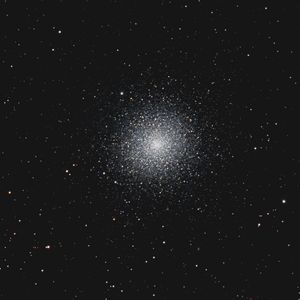
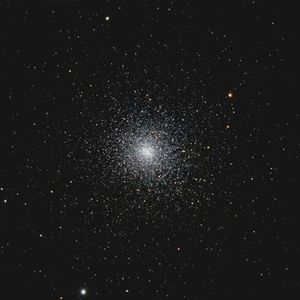
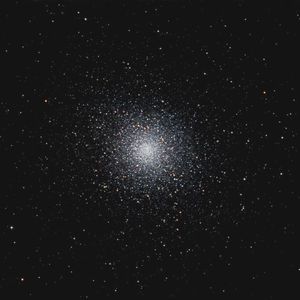
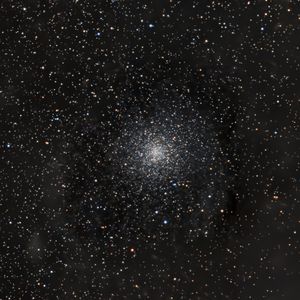
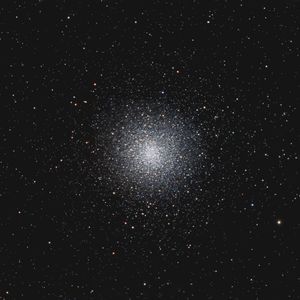
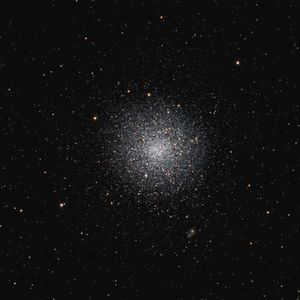
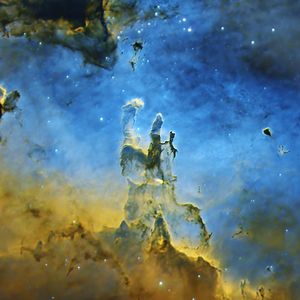
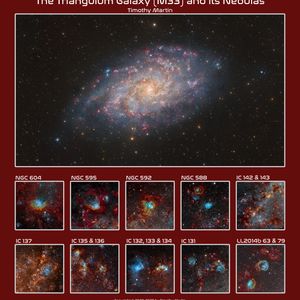
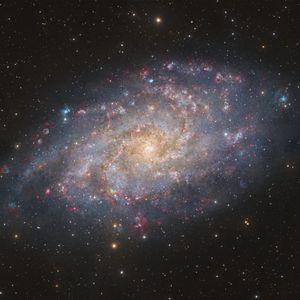
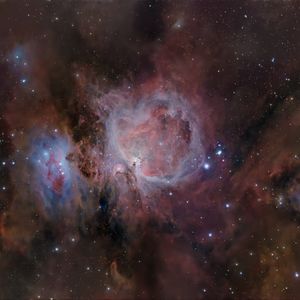
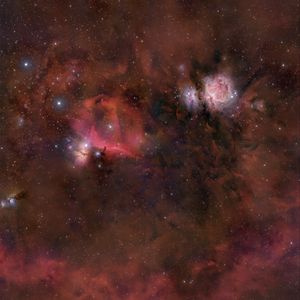
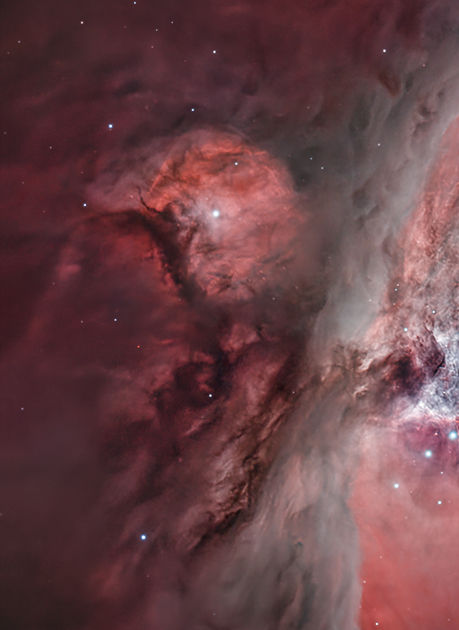
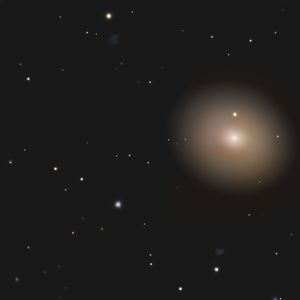
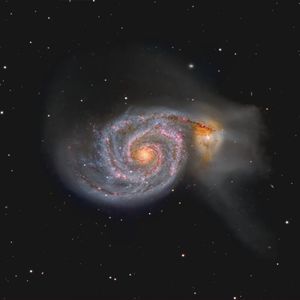
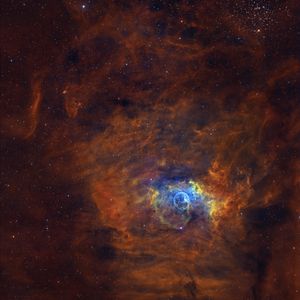
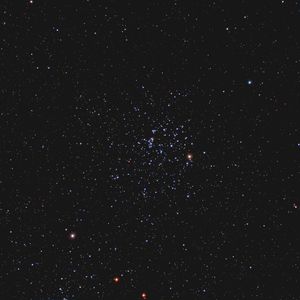
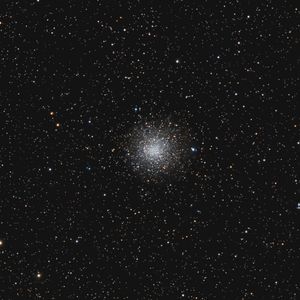
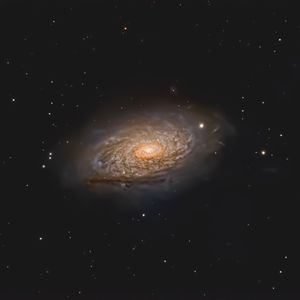
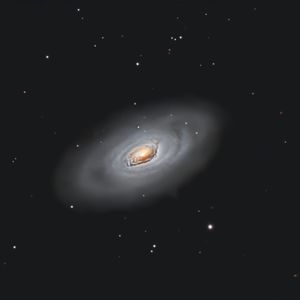
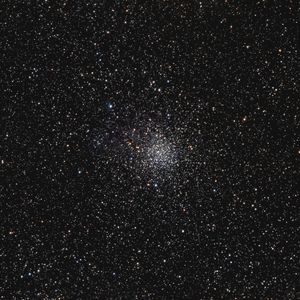
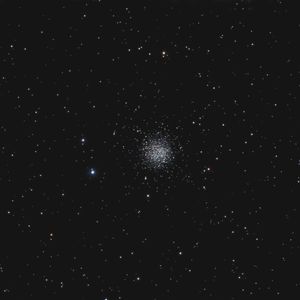
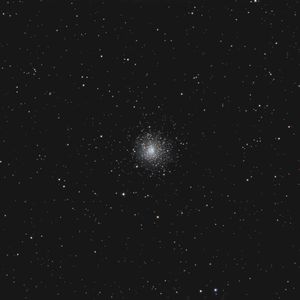
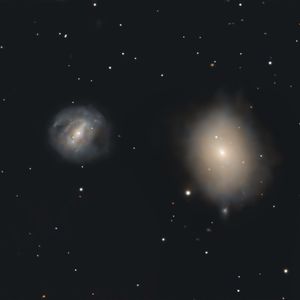
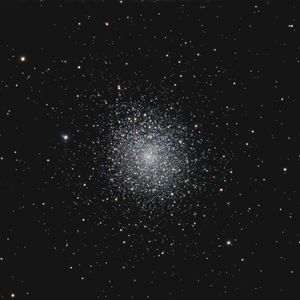
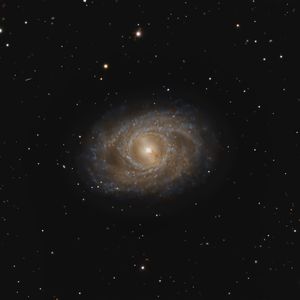
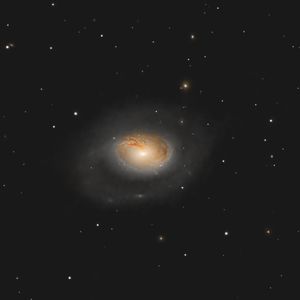
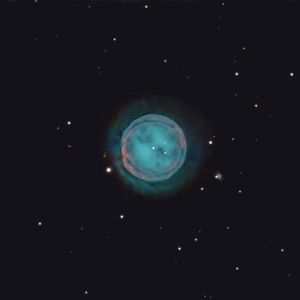
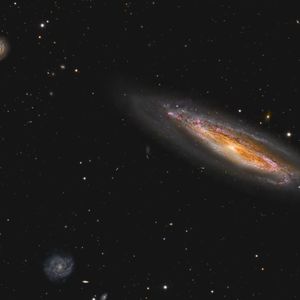
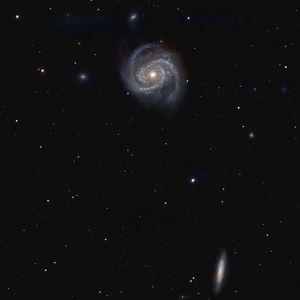
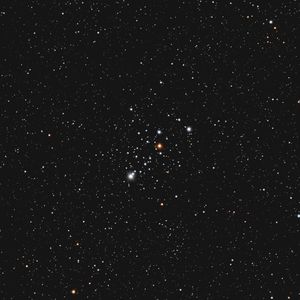
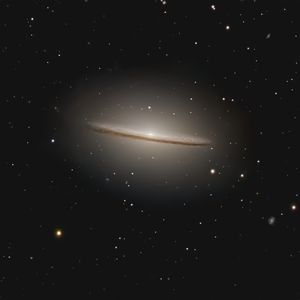
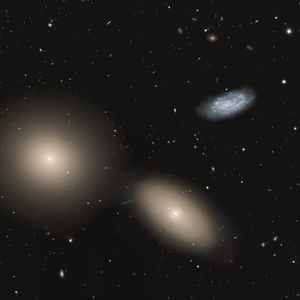
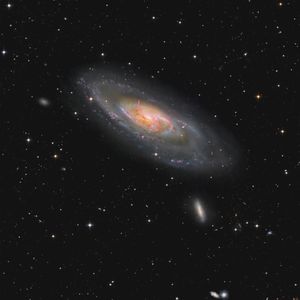
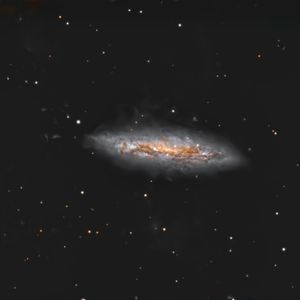
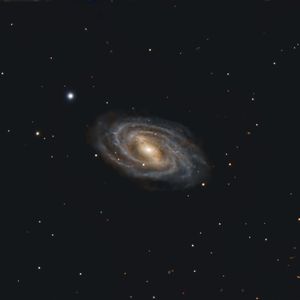
The Messier catalogue is the most famous, and one of the oldest, collections of astronomical objects in officially recognized catalogue form. The brainchild of 18th-century French astronomer Charles Messier (1730 - 1817), he didn't initially intend it to record the positions and appearance of star clusters, globular clusters, nebulas, and galaxies. Messier made a name for himself as a comet hunter and, initially at least, was exclusively in search of those.

But Messier often ran across fuzzy objects in the sky using his four-inch refractor that appeared to be comets at first, but upon further review turned out to be fixed in place rather than moving through the sky over a period of time as comets generally do. So he decided to keep a list of these non-comets so he and others wouldn't waste time on them in the future. He recorded the first object, Messier 1 (also known as the Crab Nebula—see the gallery below) in his not-a-comet list in 1764.
Messier initially compiled a list of 41 objects and then added four other known objects to bring the total to 45 for his first publication. Over time, and with the help of his protege Pierre Méchain, the list grew to 103 objects in its final publication in 1781. Other astronomers later added seven more to bring the total to 110. Messier didn't pay much regard to the list during his lifetime. But decades later, its importance began to dawn on the scientific community as it learned more about the nature, distance, and implications of the objects it recorded.
As for modern amateur astronomy, the Messier Catalogue is a well of targets astrophotographers return to again and again. Some even embark on the somewhat insane goal of capturing all 110 of them. I am no exception. My quest began in June 2020 and as of August 2025, I have finally managed to capture them all. That effort appears below. Even the Hubble Space Telescope has yet to complete this task, capturing a mere 98 of the 110.