top of page

Open Star Clusters

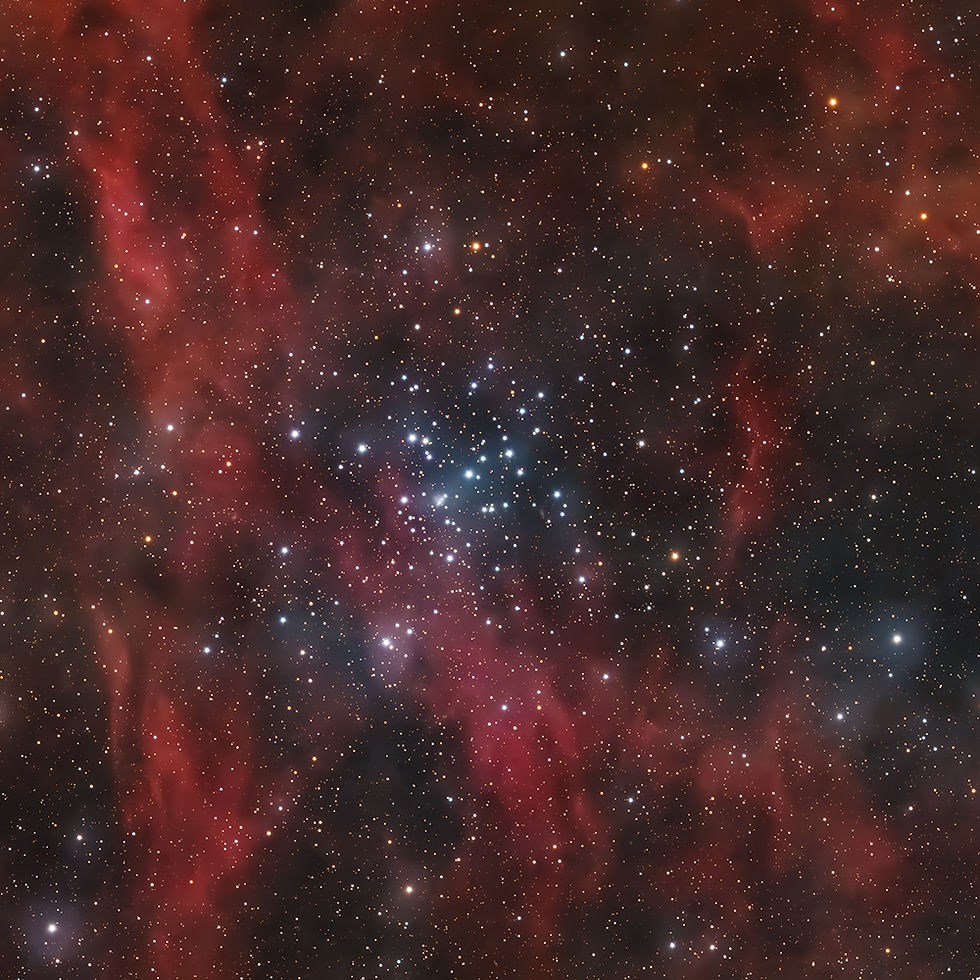
Open star clusters (or "open clusters") are collections of stars—perhaps a few dozen to a few thousand—that likely formed in the same molecular cloud, but are not gravitationally bound to each other. They eventually wander away from each other and find their own paths through the galaxy. Our own sun was probably once part of an open cluster but has since moved out on its own.


Our Milky Way Galaxy is replete with open clusters, some of which, like the Pleiades and Hyades, are visible to the naked eye and may yet be surrounded by remnants of the gas and dust clouds that contributed to their formation.
7.jpg
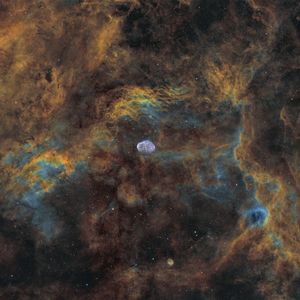
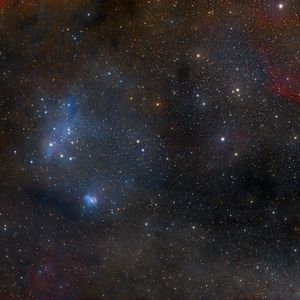
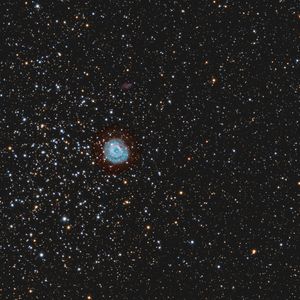
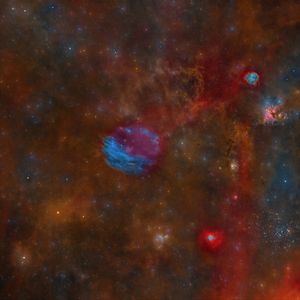
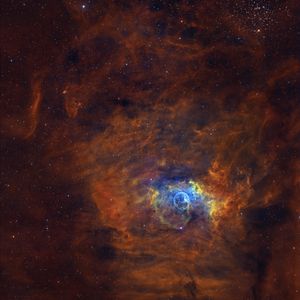
A Scorpion and a Bubble – Messier 52 and the Bubble Nebula (NGC 7635)
7.jpg
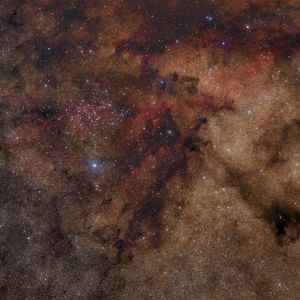
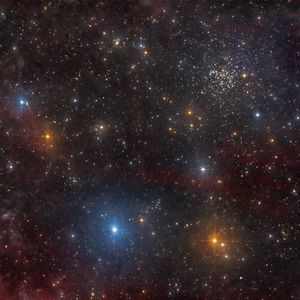
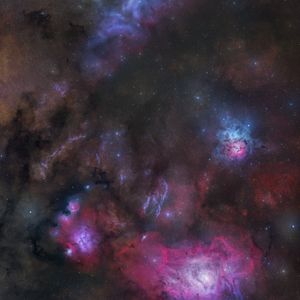
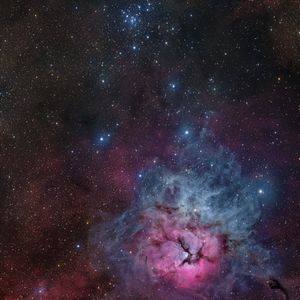
A Trifle and a Cross – Messier 20, the Trifid Nebula and Messier 21, Webb’s Cross
7.jpg
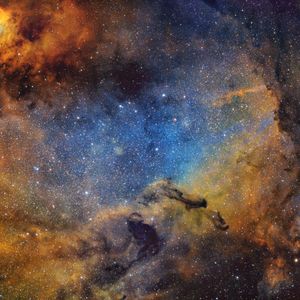
Cygnus Mosaic – From the Butterfly to the Tulip
7.jpg
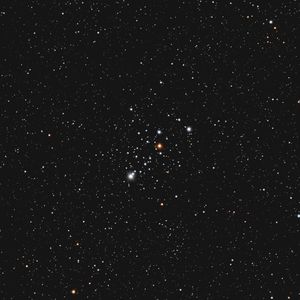
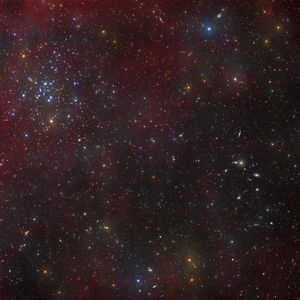
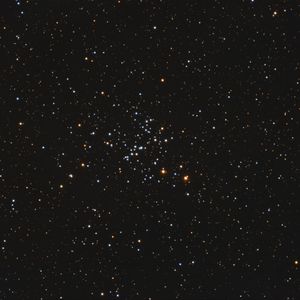
Messier 103 (M103)
7.jpg
Messier 18 (M18) – The Black Swan Cluster – with vdB 121
7.jpg
Messier 23 (M23)
7.jpg
Messier 24 (M24) – The Small Sagittarius Star Cloud
7.jpg
Messier 25 (M25) and WoMart 1 – Wide Field
7.jpg
Messier 36 (M36) - The Pinwheel Cluster with the Spider and the Fly
7.jpg
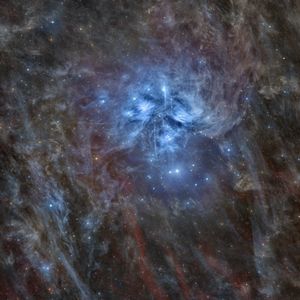
Messier 45 (M45) – The Pleiades
7.jpg
Messier 46 (M46) and its Planetary Nebulas
7.jpg
Messier 46 and Messier 47 in a Dusty Region
7.jpg
Messier 50 (M50) – Wide Field Wonderland
7.jpg
Messier 7 (M7) – Ptolemy Cluster
7.jpg
Messier 93 (M93) – The Critter Cluster
7.jpg
Messiers 8 (The Lagoon Nebula), 20 (The Trifid Nebula), and 21 (Webb’s Cross) with Other Notable Figures
7.jpg
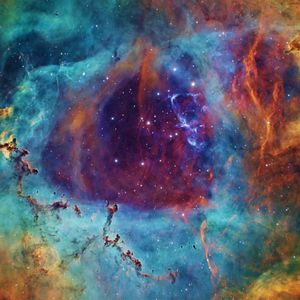
Pugnacious Protostars Pollenate a Perilous Pretty Pistil – The Rosette Nebula
7.jpg
The Nebulas of Auriga Mosaic
7.jpg
The Nebulas of Auriga Wide Field
7.jpg
The Nebulas of Monoceros – Four-Panel Mosaic
7.jpg
The Rosette Nebula
7.jpg
Then I've Thrown Down Diamonds in the Sand - Messier 50 (M50)

Gallery

bottom of page